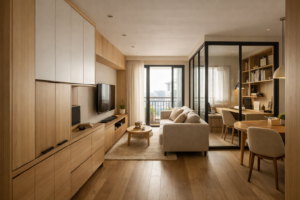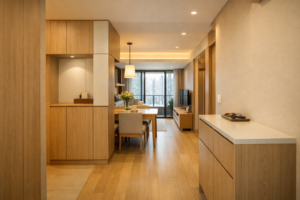
開放式廚房(Open Kitchen)係 2026 香港最熱裝修趨勢之一,根據 Home Journal 報導,越嚟越多新樓由發展商預先設計成半開放式佈局。但開放式廚房真係啱所有香港家庭嗎?AC 設計師根據過去 5 年百個案例經驗,為你拆解優缺點同實際費用。
什麼是開放式廚房?香港常見 3 種類型
開放式廚房係指拆除廚房同客飯廳之間嘅實牆,將煮食區同生活區融為一體。喺香港,主要分為 3 種:
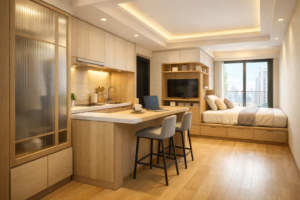
- 全開放式:完全冇間隔,廚房直接連客廳,視覺最通透,啱少煮中菜嘅單身或年輕夫婦。
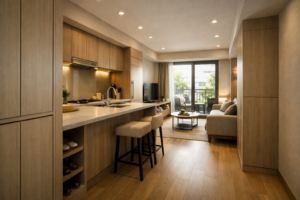
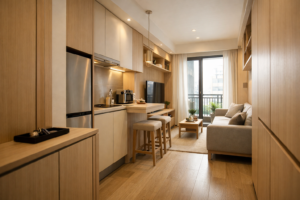
- 半開放式(吧檯/中島):用中島或吧檯做分隔,係 2026 最受歡迎類型。
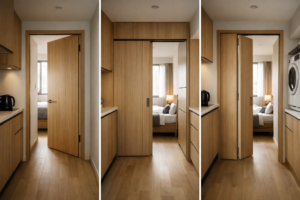
- 玻璃趟門開放式:平日打開做開放式,煮重油菜時關上玻璃門,最實用平衡。
開放式廚房 5 大優點
- 放大空間感:300-500呎細單位視覺擴大可達 30%,最啱香港納米樓。
- 採光更好:廚房窗光可入客廳,日間慳電兼明亮。
- 互動性強:煮飯同時陪屋企人傾偈,啱有小朋友家庭。
- 三合一中島:工作檯 + 吧檯 + 早餐枱,慳位實用。
- 提升物業價值:開放式設計係賣樓加分項,二手成交快。
開放式廚房 5 大缺點(香港人最關心)
- 油煙問題:中式爆炒油煙重,容易擴散到客廳沙發。建議配備吸力 ≥ 20m³/min 嘅抽油煙機,如 Miele、Bosch,HKD $8,000-15,000。
- 消防條例限制:屋宇署規定走火通道需有防火門,部分公屋/居屋唔可以隨便拆廚房牆。需先查閱大廈公契同入則。
- 聲音傳遞:洗碗機、抽油煙機運作聲會影響客廳睇戲傾偈。
- 整潔要求高:水槽未洗碗碟、檯面亂亂哋會直接影響全屋觀感。
- 氣味殘留:煮魚煮咖喱後,布梳化、窗簾會吸味,難散。
邊類單位最適合?AC 設計師建議
根據 AC 過去 5 年百個香港裝修案例經驗:
- 強烈推薦:細單位(300-500呎)、新樓/居屋已預留開放佈局、以西式或簡餐為主嘅家庭。
- 建議用玻璃趟門折衷:偶爾煮中菜、有 1-2 位老人家嘅家庭。
- 唔建議:3 代同堂中式家庭、樓底矮 + 大量爆炒、有哮喘或敏感成員嘅家庭。
2026 香港開放式廚房裝修費用參考
| 項目 | 價錢區間 (HKD) |
|---|---|
| 拆牆 + 入則 + 結構評估 | $15,000 – 30,000 |
| 中島訂造(含石英石檯面) | $25,000 – 50,000 |
| 高吸力抽油煙機(Miele/Bosch) | $8,000 – 15,000 |
| 玻璃趟門(電動/摺疊) | $12,000 – 25,000 |
| 開放式廚房改造總費用 | $60,000 – 120,000 |
結語:你嘅單位啱做開放式嗎?
開放式廚房唔係萬能設計,但揀啱單位、配齊高效抽油煙機 + 玻璃趟門做後盾,效果一流。AC 已協助過百個香港家庭完成廚房改造方案,提供免費上門度尺、結構評估同消防條例可行性檢查。即刻致電 5222 1129 或 WhatsApp 查詢,亦可到填表預約免費諮詢。
English Summary: Open Kitchen Design in Hong Kong — Pros, Cons & 2026 Cost Guide
Open kitchens have become one of the dominant 2026 Hong Kong renovation trends, with developers increasingly pre-designing semi-open layouts in new private developments. AC Design’s interior architects break down three common formats: fully open, semi-open with a bar or island counter, and the increasingly popular glass-sliding-door variant — which lets families enjoy open living during the day and close off heat or oily fumes when wok-cooking Chinese cuisine.
Key advantages include up to 30% visual expansion in compact 300–500 sqft flats, better daylight penetration, family interaction during meal prep, multi-purpose island countertops (work surface + bar + breakfast table), and higher resale value as buyers favor open layouts.
However, Hong Kong-specific drawbacks must be weighed: heavy Chinese cooking fumes require high-extraction hoods of 20m³/min or above (Miele or Bosch, HKD 8,000–15,000), Buildings Department regulations may restrict wall removal in HOS or public housing units, sound transmission from dishwashers and extractors can disrupt the living room, and odors from fish or curry tend to linger in fabric sofas and curtains.
AC’s verdict: Open kitchens work best for small flats, new private developments with pre-designed open layouts, and Western-cooking-oriented households. The glass sliding door option is recommended as a flexible compromise. They are NOT recommended for multi-generational Chinese families, low-ceiling units with heavy stir-frying, or households with asthma sufferers.
Total renovation costs for a complete open-kitchen conversion range HKD 60,000–120,000, including structural review with submission to Buildings Department, custom island fabrication with quartz countertop, premium European extractor hood, and optional glass sliding doors. AC offers free on-site measurement and feasibility assessment — call 5222 1129 or WhatsApp +852 5222 1129 to schedule a consultation.
2026年6月更新
若正考慮改造開放式廚房,夏季(6至9月)是評估最佳時機。香港悶熱潮濕環境下,開放式廚房的通風系統尤為關鍵——除高吸力抽油煙機外,廚房與客廳之間應預留充足氣流,避免油煙及濕氣滯留。建議先讓設計師評估單位既有通風狀況,部分情況需增設補風口或強化排氣道,額外投資往往能長期省卻清潔及健康困擾。同時,開放式廚房的櫃體應選防潮防油污等級較高之選,定期清潔廚房天花與牆身更顯重要。
開放式廚房趟門
搜尋「開放式廚房趟門」通常最想判斷:究竟用趟門後,仲算唔算開放式、能否減油煙、同會唔會影響日常動線。實務上,玻璃趟門較適合想保留開揚感、但又會煮中菜的家庭;關門時可減少油煙及氣味外溢,開門時則回復客飯廳連貫感。選擇時重點不只在玻璃款式,而是路軌位置、門片收納位、門縫密合度及清潔難度。細單位宜避免厚重多摺設計,以免佔用走廊或櫃身空間;若廚房門口貼近雪櫃、爐頭或洗衣機,更要先核對開關半徑及維修空間。
開放式廚房報價及審批重點
開放式廚房不是只拆一幅牆,還要同時處理煤氣、抽油煙、消防、電力及大廈公契限制。報價前應先確認牆身是否可拆、煮食方式和抽油煙機路徑,否則後期改圖會直接增加成本。
| 項目 | 香港常見預算 | 適合情況 |
|---|---|---|
| 半開放式玻璃趟門 | HK$18,000-45,000 | 保留分隔,較容易平衡油煙和空間感。 |
| 全開放式廚房改造 | HK$60,000-180,000+ | 涉及拆牆、水電、櫃體、檯面及抽油煙系統。 |
| 中島或吧枱配置 | HK$35,000-120,000+ | 視乎水電位、檯面物料及收納量而定。 |